 Agf Hub
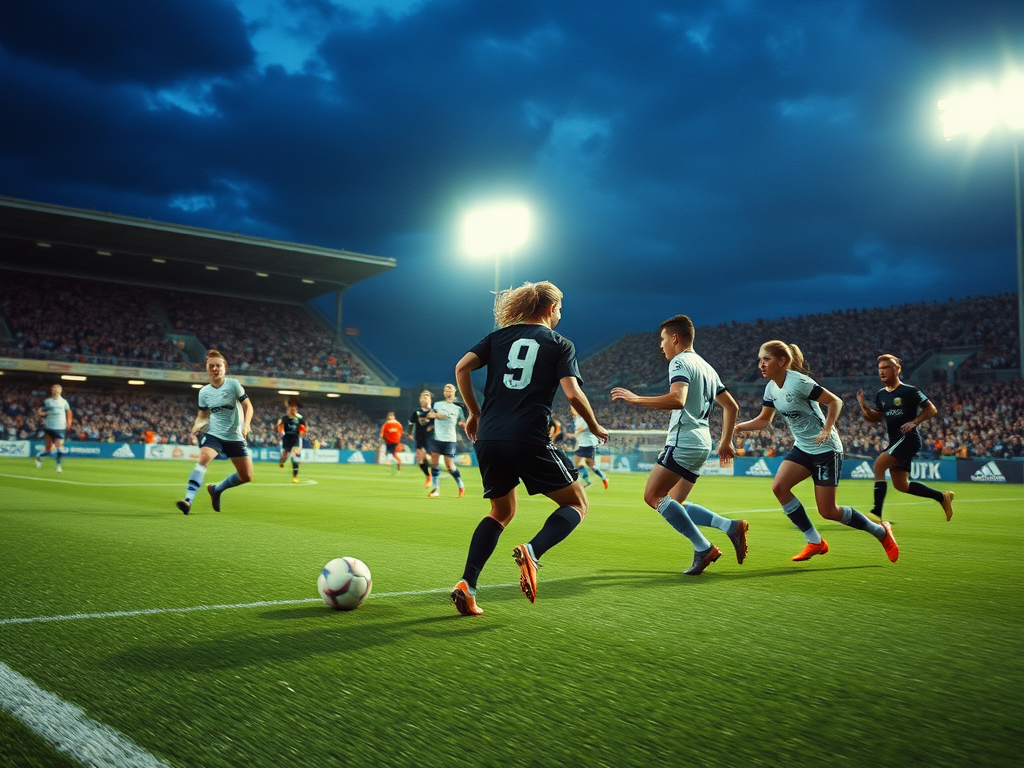
In recent matches, AGF has been marked by inconsistent performances, struggling to find the right tempo and flow in their play. The team has often been able to dominate possession, but has not always translated this control into goal-scoring opportunities. This may be due to an over-reliance on individual performances from key players, which can lead to predictability in attack.
A crucial observation is that AGF often falls back into a defensive shape when pressed by their opponents. While a solid defensive structure is important, it may be wise to adjust their approach to include more offensive movement. This can be achieved by introducing a more flexible formation that allows midfielders to overlap and support attacks.
AGF's wingers also play a central role, but their ability to create space and opportunities has not been utilized optimally. A tactic involving more frequent crosses from the flanks and quicker combinations could be a solution. However, this requires strikers to be able to read the game and anticipate passes so they can position themselves better at crucial moments.
Moreover, it may be valuable to incorporate more pressing higher up the pitch. By disrupting the opponent's build-up play in their own half, AGF can create quicker counter-attacks and capitalize on their opponents' mistakes. Implementing a more aggressive pressing strategy, however, requires players to be in top physical condition and willing to work hard to regain possession.
Regarding player rotation, it may be a good idea to give more players a chance in matches so they can find their rhythm and contribute in different roles. This can also reduce the strain on key players and give them more time to recuperate.
In conclusion, while AGF has the potential to compete with the best in the Kvindeliga, it necessitates sharp tactical adjustments to optimize their performances. Finding the right balance between defensive solidity and offensive creativity will be crucial for their future success.